
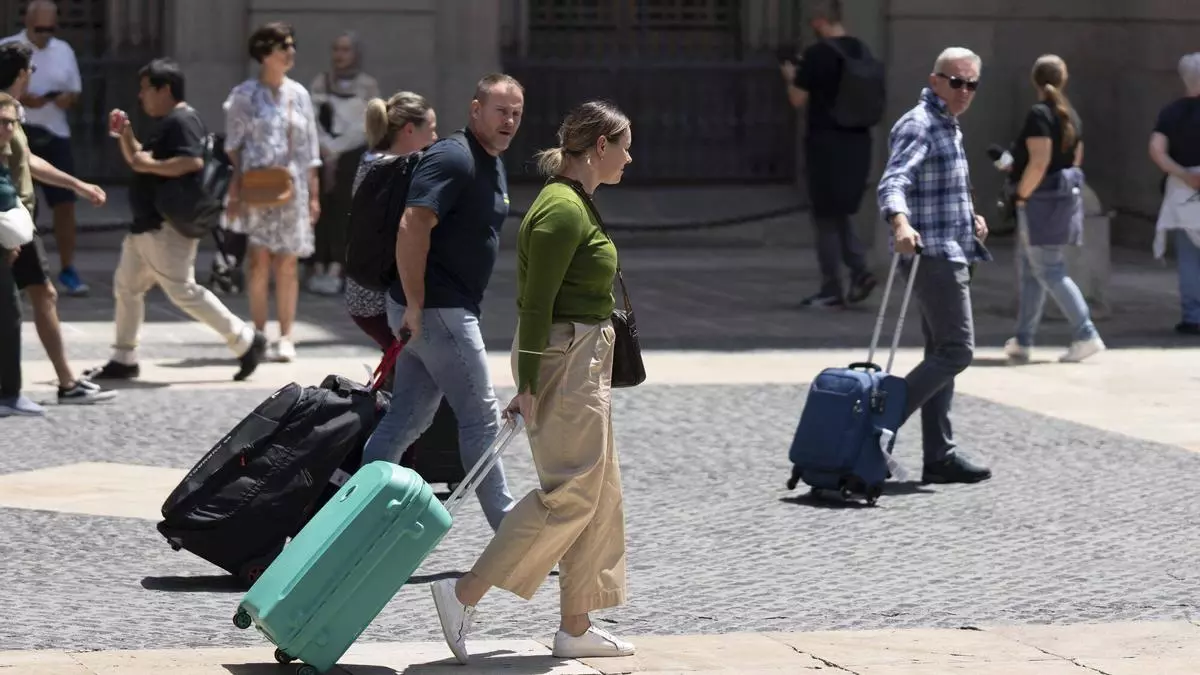
Barcelona has become one of the most aggressive cities in Europe in its fight against illegal tourist apartments. The combination of inspection teams, advanced technology and agreements with platforms like Airbnb has drastically reduced the number of unlicensed listings. Today, operating illegally is almost impossible: between 300 and 400 cases are detected every month and immediately removed thanks to the city’s “Araña” software, a system capable of scanning thousands of listings and identifying irregularities with precision.
The latest challenge for the city is a tactic that has become increasingly common: using the category of “seasonal rental” —which requires stays of more than 31 days— to offer short-term tourist accommodation without a licence. According to July data, 71% of the illegal apartments detected were using this workaround. Owners publish their flats as monthly rentals, but then unlock the option to accept short-term bookings, effectively turning them into illegal tourist units.
Since 2018, Barcelona has managed to deactivate 16,011 illegal listings thanks to its cooperation with platforms such as Airbnb, Homeaway and Booking. However, the relationship has not always been smooth. When the previous agreement expired, Airbnb attempted to scale back its commitments, and almost 800 illegal listings were detected in just one month. After several meetings, cooperation resumed, but the city now demands faster removal systems and direct access to the data of repeat offenders.
Seasonal rentals are particularly problematic. Airbnb currently hosts more than 5,500 such listings in Barcelona, a legal category aimed at students or professionals staying in the city for several months. But a fraction of these rentals enables short-term stays, allowing some landlords to bypass regulations and operate without a tourist licence.
The city estimates that around half of offenders reoffend. Some listings have been taken down as many as twelve times. Fines range from €60,000 to €600,000, although court decisions vary. Even so, judges are becoming more aware of the issue, especially in cases involving repeated violations or organised groups subletting properties illegally for quick profit.
Barcelona’s political leadership has set a clear course: move toward a model in which only regulated tourist accommodation remains. As part of this vision, mayor Jaume Collboni plans to eliminate all 10,000 legal tourist licences by 2028, aiming to ease pressure on housing prices and return properties to the residential market.
Barcelona is moving towards a stricter, technology-driven regulatory framework that many other cities are beginning to watch closely as they face the same dilemma: balancing tourism with the fundamental right to housing.