
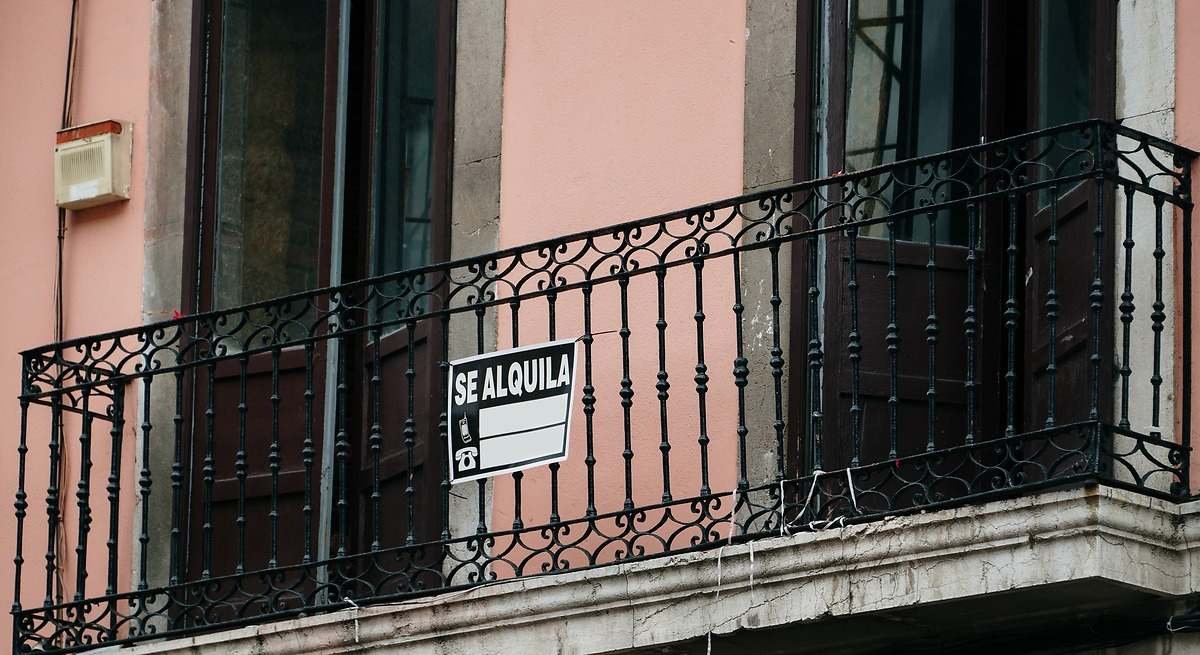
Spain’s rental market has entered a critical phase in which the issue is no longer just high prices, but the profound impact these costs are having on tenants’ quality of life. Recent data confirm that difficulty in paying monthly rent has become a structural problem affecting the majority of renters.
According to the study How Spaniards cope with housing costs by Fotocasa Research, 58% of tenants report having difficulties paying their rent. Nearly one in five describe their situation as severely challenging, to the point of cutting back on basic expenses such as food. This is not a temporary phenomenon: within a single year, the proportion of renters in serious financial distress has increased significantly.
The strain is particularly evident when looking at affordability ratios. Almost 29% of tenants spend more than half of their monthly income on rent, a level widely regarded as financially unsustainable. At the other end of the spectrum, only one in ten tenants manages to allocate less than 20% of their income to housing costs, a benchmark considered healthy by international standards.
This imbalance forces widespread budget adjustments. Nearly 80% of renters acknowledge having cut expenses in order to afford their housing. Initial reductions usually affect travel, leisure and discretionary spending, but for many households the impact goes further. A significant share of tenants report cutting back on food purchases or essential household expenses such as utilities or insurance, highlighting a tangible decline in living standards.
Experts agree that the root of the problem lies in a structural imbalance in the housing market. Demand for rental housing remains strong and continues to grow, driven by barriers to homeownership, higher mortgage costs and demographic and labour market shifts. Supply, however, has failed to keep pace, resulting in a persistent gap that fuels upward pressure on rents.
This dynamic creates a chain reaction: when buying a home becomes unaffordable, demand spills over into the rental market, initially in major cities and later in surrounding areas. The outcome is an increasingly competitive environment with more tenants than available homes, reduced bargaining power for renters and steadily rising rents.
Short-term prospects offer little relief. While house price growth in the sales market is beginning to moderate, rents remain at record highs and are expected to continue increasing through 2025 and 2026. The risk is clear: some households will manage to absorb higher rents, while others will become trapped in a cycle of residential insecurity, frequent moves and limited ability to plan their lives.